
Shawnee Previous-Resident Sources
A sound address history separates ownership from occupancy. Johnson County land records identify interests in a parcel. A directory or census can place a named household at an address for one dated snapshot. Maps and permits describe the building, while an obituary or probate file may explain why a name disappears. The best first source depends on the period being researched.
| Source | Years or Era | Where Held | What It Can Show |
|---|---|---|---|
| Deeds and plats | Documents 1920–1987; plats 1866 forward in the county guide | Johnson County Register of Deeds, public terminal, mail, or KORA request | Named parties, instrument type, reception date, book/page, and legal description |
| Northeast Johnson County directories | 1953–1960 finding-aid run | Library of Congress lead; verify copies at JCL or KSHS | Dated name or business and address entries |
| Greater Shawnee Mission criss-cross | 1969–1972 and 1979 | Library of Congress guide and local library research | Street and house-number leads to occupants, phones, or businesses |
| Federal census schedules | Public through 1950 under the 72-year rule | National Archives and library databases | Household members and address-era context |
| Obituary card file | 1977–2000 | Johnson County Library | Name, death date, and newspaper citation |
| Maps and imagery | Atlases from 1860; Sanborn 1931–1950; aerials 1941–2025 | KSHS, Johnson County Museum, and AIMS | Street, lot, building, and land-use change, not occupancy |
For a recent Shawnee address, begin with the parcel and deed chain. For a mid-century question, start with the matching directory year and then confirm the legal parcel. Earlier work often moves to plats, tax books, probate, archives, and census schedules. Every entry should retain its source date and jurisdiction.
Walk Shawnee Deed Records Backward
The Johnson County AIMS map supplies the current site address, owner field, parcel identifier, lot and block, subdivision, and legal description. Use the legal description as the stable key. A street number can change, and the same owner name can cover several parcels. The deed is evidence of a property interest, not proof that a person lived there.
- Open AIMS and save the current parcel ID, site address, and exact legal description with the search date.
- Use the Johnson County Register of Deeds to locate the current owner’s acquisition instrument as grantee.
- Record the grantor, grantee, instrument type, reception date, book/page or instrument number, and the land description.
- Search the seller as an earlier grantee, checking prior-deed references and the same tract. Repeat one transfer at a time.
- When digital access ends, use the free public terminal, mail, a defined KORA request, County Archives, or KSHS deed books and abstracts.
The index route is changing. County subscriptions ended July 1, 2026, while a new electronic records system was anticipated for fall 2026. Do not guess at a replacement link. The Register of Deeds office, public terminal, mail route, and Kansas Open Records Act request remain documented fallbacks. Copies cost $0.25 per page and certification is $13 according to the county research.
- Grantor
- The party giving or transferring the recorded interest.
- Grantee
- The party receiving the interest named in the instrument.
- Chain of title
- The sequence of recorded transfers for the same land.
- Legal description
- The lot, block, subdivision, or tract wording that identifies land more reliably than an old street number.
Quitclaims, mortgages, liens, releases, probate filings, and transfer-on-death instruments are not all sales. Read the instrument nature before marking a change in owner or previous residents.
Van Bebber Shawnee Deed Records
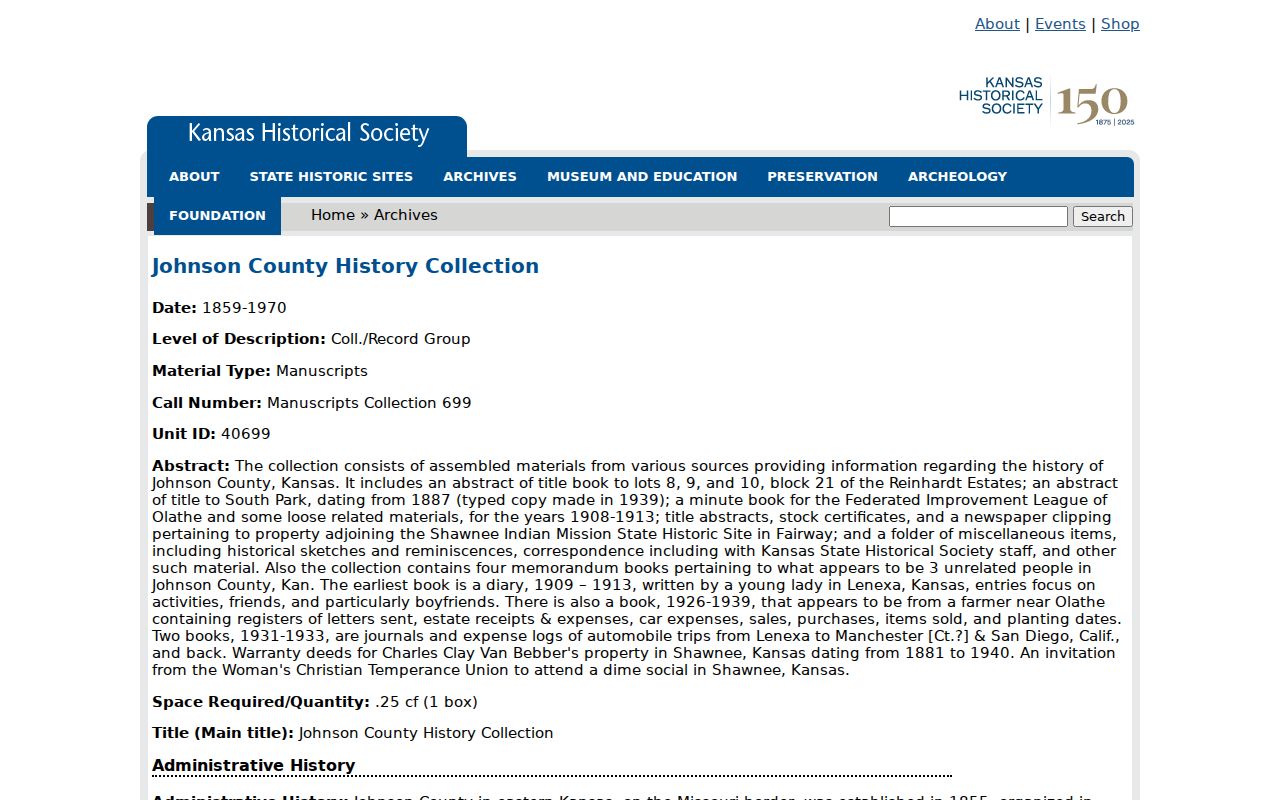
One unusually specific Shawnee property lead survives outside the modern index. The Kansas State Historical Society Johnson County collection lists Manuscripts Collection 699, which includes Charles Clay Van Bebber property deeds and title abstracts dated 1881–1940. It provides a real bridge into older title work when the county’s current online route cannot reach the needed era.
A request should identify the collection, box or folder if known, deed date, grantor and grantee, legal description, and related abstract page. The collection description does not itself prove that Van Bebber or any named party occupied a house. It establishes where relevant title material is held and what period the papers cover.
The official archive placement can be seen in the KSHS Johnson County collection record.
Shawnee Previous Residents by Address
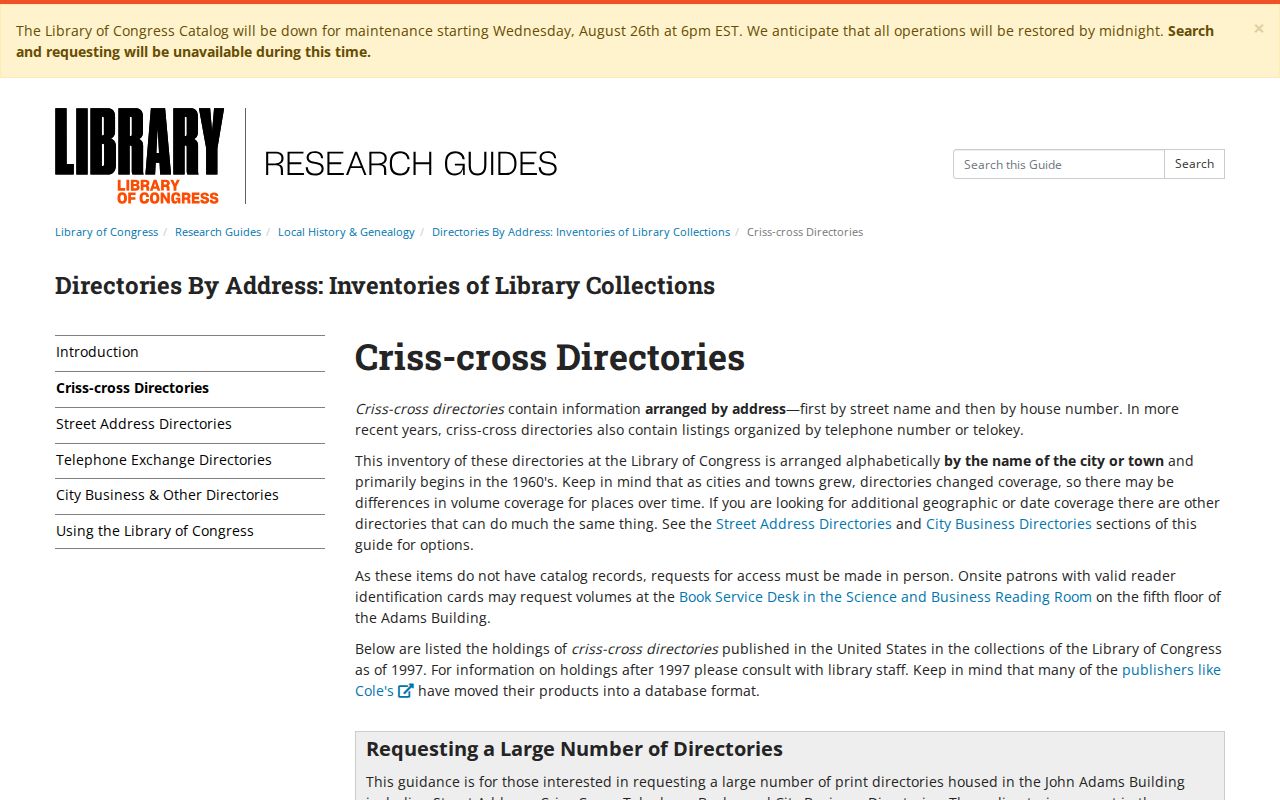
Reverse, or criss-cross, directories are designed for the question “who lived here before?” The Library of Congress criss-cross guide lists Greater Shawnee Mission holdings for 1969–1972 and 1979. A typical volume sorts by street, then house number, but the title page and instruction key control how each edition should be read.
Search the exact address first. Then check the alphabetical section for the name found, preserving initials, phone, spouse notation, occupation, business labels, and the printed geographic title. A missing entry may reflect a skipped edition, an annexation boundary, a canvass omission, or an address change. It does not prove that the household moved.
The official reverse-directory guide shows the kind of shelf and catalog access involved.
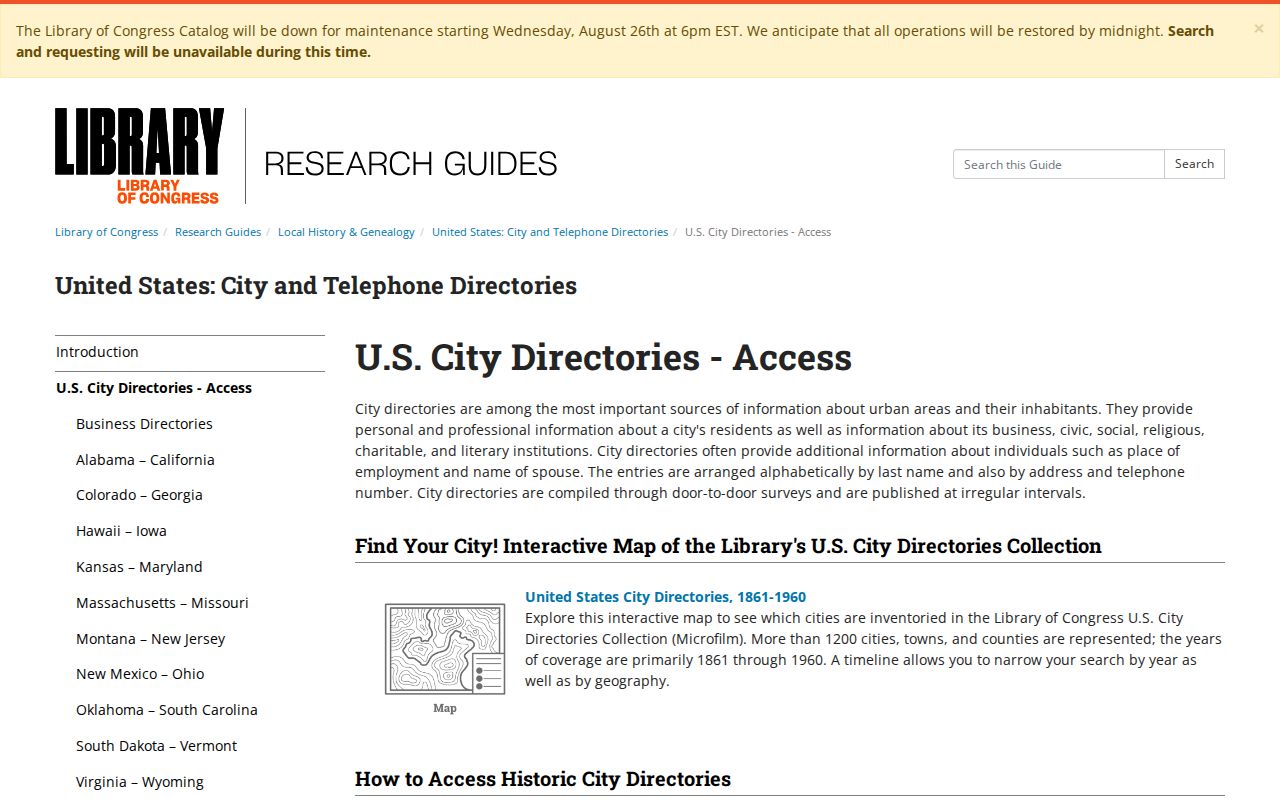
The companion Library of Congress city-directory guide explains the alphabetic, address, telephone, and occupational sections that may support the same trail.
Full collection details belong with the Shawnee city directory collections; the address-history task uses each dated entry only as one link in the backward trail.
Old Shawnee Address Records
Shawnee’s place names and borders can break a simple address search. The city history records annexation milestones in 1968, 1971, 1984, and 1987 involving Woodland, Zarah, Wilder, Chouteau, Frisbie, Monticello, Holliday, and land around K-7. A deed or directory may use one of those older labels even when AIMS now places the parcel in Shawnee.
The downtown record is older still. Shawneetown was incorporated in 1856, served briefly as Johnson County’s first seat, and was replatted in 1922. The city’s walking tour says street names and buildings changed. No official citywide conversion table was found, so preserve the old address exactly and compare its lot, block, plat, landmarks, and adjoining parcels. Never force an old number onto a current parcel without a sourced crosswalk.
Note: Keep the source-era place name beside the modern municipality so later researchers can reproduce the match.
Maps Date Shawnee Property Records
Maps answer a different question from directories. KSHS lists Shawnee within Kansas City Sanborn volume 4 for 1931 and 1931 through July 1950. Sanborn maps can show a building footprint, use, materials, height, fire walls, and street labels. The direct Shawnee sheet was not exposed in the research, so request the exact volume and sheet before drawing a building timeline.
The Johnson County Museum online resources add atlases from 1860, 1874, 1902, and 1922, aerial photographs, and thousands of early built-environment images. AIMS adds imagery from 1941–2025. These sources may reveal when a structure or road appeared. They cannot name previous residents without a separate dated household source.
Confirm Shawnee Past Residents
Ownership is only half the trail. Pair directory years with the nearest public census schedule and local newspaper evidence. The 1950 Census is public under the federal 72-year release rule. Earlier schedules may supply household members, ages, birthplaces, and occupations, but changing township and city boundaries must be kept visible.
- Find the address in a dated directory or reverse directory and copy the entry exactly.
- Check the same year’s alphabetical section for spelling, initials, spouse notes, and occupation.
- Compare nearby editions rather than jumping decades. Log missing years as gaps.
- Use the nearest public census, deed, tax roll, permit, probate, or obituary citation to test the link.
- Mark each result as owner, directory occupant, household member, business, or unconfirmed lead.
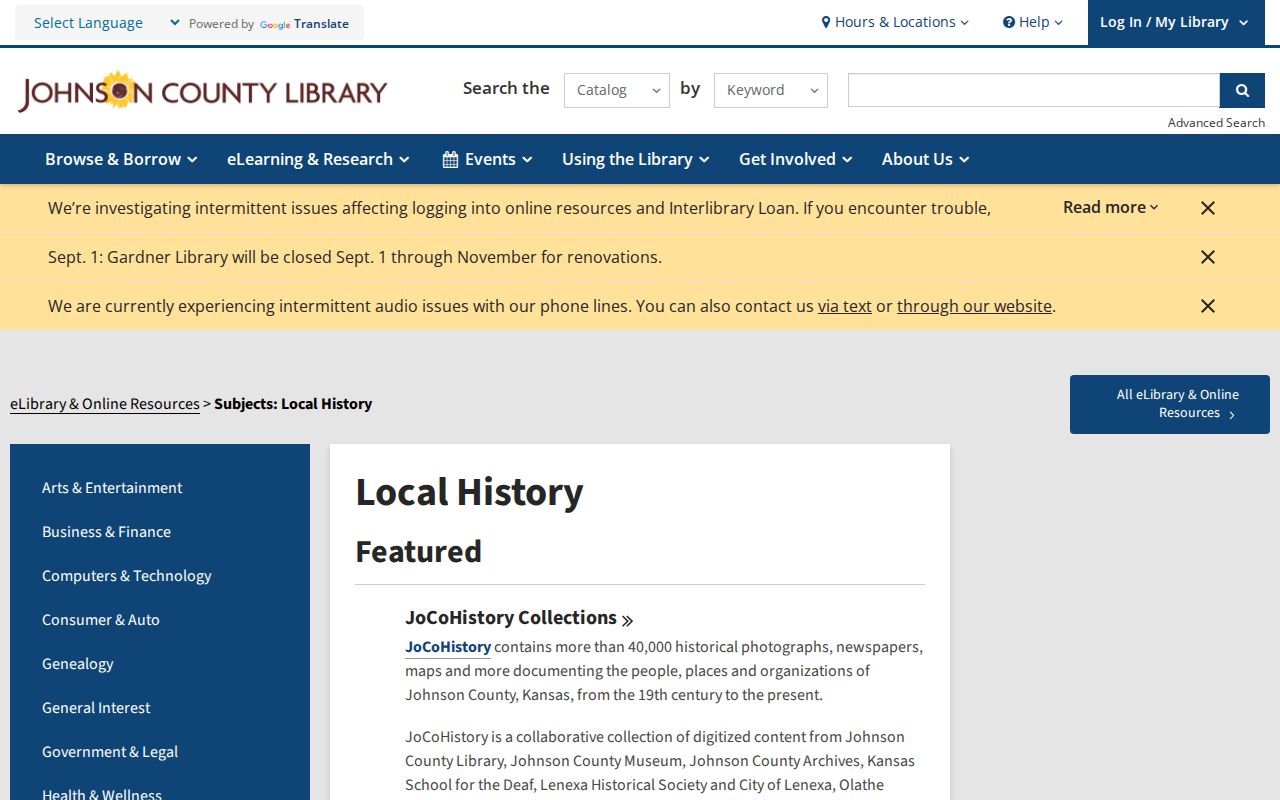
The Johnson County Library local-history collection provides JoCoHistory photographs, newspapers, maps, and obituary citations. Its obituary card file covers 1977–2000 and is a citation route, not a death certificate. Staff or volunteers can help locate a copy when online text is absent.
The library access screen shows the local-history route used to extend a Shawnee previous-residents search beyond property records.
Shawnee Resident Stories Add Context
The Johnson County Museum’s Shawnee Family Stories collection contains 28 interviews recorded in 2007–2008. Residents recalled streets, schools, churches, shops, neighborhoods, and family links that may not be indexed elsewhere. Such recollections can explain why an address, business, or local place name appears in a directory.
Oral history remains testimony. Cite the interviewee, interview date, collection, and exact audio or page marker, then verify the place or date in a directory, newspaper, plat, or deed. The collection view demonstrates the human layer available for Shawnee house history.

Offline Shawnee Research Routes
Many earlier sources are not fully searchable online. Johnson County Archives offers a research room by appointment and a limited search and copy service. Its holdings include old tax rolls, probate, land, naturalization, court, marriage, mortgage, and military records. The documented limited search is 30 minutes, with added work billed at $25 per hour; copies are $0.25 per page.
Johnson County Library provides microfilm, microfiche, directories, maps, yearbooks, community histories, and reference help through its genealogy desk. KSHS reports that less than five percent of its large book and magazine holdings is online. When a catalog only identifies a run, ask staff to confirm the title page, publisher, year, geographic coverage, page, and abbreviation key. That prevents a catalog summary from being mistaken for a resident entry.
Lawful use. Research previous residents for family history, estate work, or the history of a Shawnee property. Do not use records to watch, threaten, or harass a living person.